
Summary
Families exploring Assisted Living don't need to sell the house right away—several financial strategies can help cover costs while preserving homeownership. Understanding these options provides flexibility and peace of mind during this important transition.
- Rent out the family home to generate monthly income that offsets Assisted Living expenses while keeping the property in the family
- Use a bridge loan to access quick funds during transition periods without requiring an immediate home sale
- Explore reverse mortgages (for homeowners age 62+) to convert home equity into cash while maintaining ownership
- Look into VA benefits or long-term care insurance, which many families overlook but can cover substantial portions of costs
- Consider a home equity line of credit (HELOC) for flexible access to funds as needed, or explore cost-sharing arrangements with family members
Many families face a difficult decision when a loved one needs additional support. A family home often holds decades of memories and represents a significant financial asset. The good news is that moving to an assisted living community doesn't always require selling the house right away. Several financial strategies can help families cover costs while preserving homeownership.
Understanding these options can bring peace of mind during a major life transition. With thoughtful planning and a clear understanding of available resources, it's possible to find a solution that supports both financial goals and quality of life.
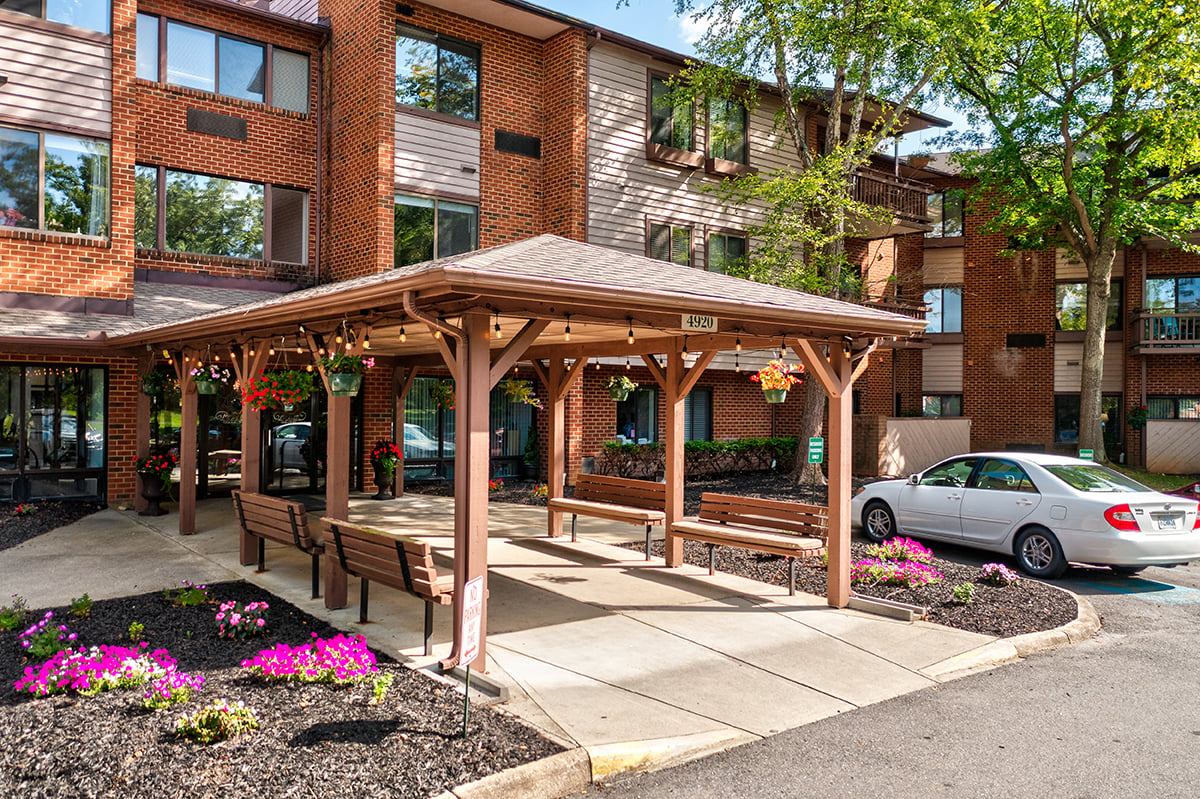
At The Park Oak Grove in Roanoke, families often explore ways to pay for Assisted Living without selling the house so they can make decisions at a comfortable pace while securing the support their loved one needs.
Renting Out the Family Home
Turning a home into a rental property can create a reliable income stream that helps offset monthly senior living expenses. This approach allows families to keep the property while benefiting from ongoing rental revenue. Many homeowners choose to work with a property management company to handle tenant relations, maintenance, and rent collection.
Benefits of renting out the home may include:
- Keeping the property in the family for future use or inheritance
- Generating monthly income to help cover assisted living expenses
- Preserving home equity while the property potentially appreciates in value
- Maintaining flexibility if market conditions are not ideal for selling
For families exploring assisted living payment options and keep house strategies, rental income can be an effective long-term solution.
Bridge Loans for Short-Term Financing
A bridge loan for assisted living costs can provide temporary funding while families determine a long-term plan. These loans use home equity as collateral and offer quick access to funds without requiring an immediate sale.
Bridge loans are often useful when a move needs to happen quickly but the home isn't quite ready to be sold or rented. While interest rates are generally higher than traditional financing options, the flexibility can be valuable during a transition.
Families who are financing assisted living while keeping the home often use bridge loans to create breathing room while evaluating additional financial resources. The extra time can help reduce pressure and allow for more informed decisions.
Reverse Mortgages for Homeowners Age 62 and Older
A reverse mortgage for assisted living may be an option for homeowners age 62 and older who have built substantial equity. This type of loan allows eligible homeowners to convert part of their home equity into cash without making monthly mortgage payments.
While the loan balance grows over time and reduces the amount of equity available to heirs, it can provide meaningful financial relief. For some families, a reverse mortgage offers a way to cover senior living expenses while keeping ownership of the home.
Before moving forward, it is wise to consult a qualified financial advisor to understand repayment requirements and long-term implications. Every family's financial picture is unique, and professional guidance can help determine whether this option is appropriate.
VA Benefits and Long-Term Care Insurance
Veterans and surviving spouses may qualify for Aid and Attendance benefits, which can help pay for assisted living expenses while preserving home equity. Unfortunately, many families are unaware of this resource until they begin researching senior living options.
Long-term care insurance can also help cover qualifying services and expenses. Because coverage varies significantly from one policy to another, reviewing policy details carefully is important. In some cases, benefits may cover a substantial portion of monthly costs.
For families hoping to afford senior living without a home sale, these resources can make a meaningful difference and reduce reliance on personal savings.
Family Cost-Sharing Arrangements
Some families choose to share expenses among multiple relatives. This collaborative approach can make monthly costs more manageable while allowing the family to keep the home.
Successful arrangements often include:
- Monthly contributions from adult children or other family members
- Trust structures that help preserve the property while funding expenses
- Written agreements outlining each person's responsibilities
- Open conversations about long-term expectations and financial goals
Clear communication helps prevent misunderstandings and ensures everyone understands their role in the plan.
Home Equity Lines of Credit
A home equity line of credit, commonly called a HELOC, allows homeowners to borrow against available equity as needed. Unlike a traditional loan, funds can be accessed gradually, making this option particularly useful for ongoing senior living expenses.
Advantages of a HELOC may include:
- Lower interest rates than many short-term financing options
- Flexibility to borrow only what is needed
- Access to funds without immediately selling the property
- Greater financial stability during a transition
For families seeking ways to pay for assisted living without selling the house, a HELOC can provide flexibility while preserving ownership.
Finding the Right Financial Path
Exploring ways to pay for assisted living without selling the house gives families more options and more time to make thoughtful decisions. Whether through rental income, a bridge loan for assisted living costs, a reverse mortgage for assisted living, family contributions, or home equity financing, there are often alternatives worth considering.
As families evaluate their next steps, choosing the right community is equally important. The Park Oak Grove offers Assisted Living in a welcoming Roanoke setting, with chef-prepared dining, engaging daily programs, comfortable gathering spaces, and personalized support that helps residents enjoy each day with confidence and connection.
Schedule a community tour today to learn how The Park Oak Grove can help your family explore senior living options while planning for a financially comfortable future.