
Summary
Loneliness can quietly affect an older adult's daily life, especially when getting out or staying connected becomes difficult. Assisted living offers senior social isolation solutions through built-in daily connection, meaningful programs, and removal of practical barriers to friendships.
- Recognize warning signs early: declining invitations, less frequent contact with friends, loss of interest in hobbies, spending more time alone.
- Shared meals, common areas, and casual conversations create natural opportunities for residents to connect with neighbors daily.
- Meaningful programs like creative activities, wellness groups, outings, and discussions help residents explore interests and build friendships naturally.
- Communities reduce isolation barriers by bringing social opportunities closer to home without requiring transportation or advance planning.
- Observe how team members encourage participation and whether shared spaces support both group gatherings and quieter one-on-one interactions.
Loneliness can quietly become part of an older adult's daily routine, especially when getting out of the house or staying connected with friends becomes difficult. Over time, limited social interaction can affect emotional and physical well-being, making it important for families to recognize when additional support may help.
For adults experiencing isolation as they age, assisted living offers opportunities to build friendships, participate in meaningful programs, and enjoy everyday interactions. Understanding these senior social isolation solutions can help families explore ways to restore connection and a sense of belonging.
Understanding the Impact of Social Isolation
Social isolation occurs when adults have limited contact with others. Unlike occasional solitude, which can be enjoyable, prolonged isolation may contribute to feelings of loneliness and withdrawal.
Research has linked social isolation to depression, cognitive decline, and physical health concerns. Preventing loneliness in older adults is therefore an important part of supporting overall well-being.
Recognizing Signs of Social Withdrawal
Families may notice changes in a loved one's behavior, including:
- Declining invitations or avoiding social gatherings
- Calling friends and family less frequently
- Losing interest in hobbies or favorite pastimes
- Spending more time alone than usual
Recognizing these changes early can help families explore opportunities for meaningful social interaction.
Built-In Opportunities for Daily Connection
One benefit of assisted living is that social opportunities become part of everyday life. Instead of arranging transportation or planning visits, residents can connect with neighbors during meals, community events, and casual conversations.
Shared dining experiences offer regular opportunities to enjoy conversation over a meal. Common areas also encourage spontaneous interactions, whether residents are enjoying coffee together or catching up after an event.
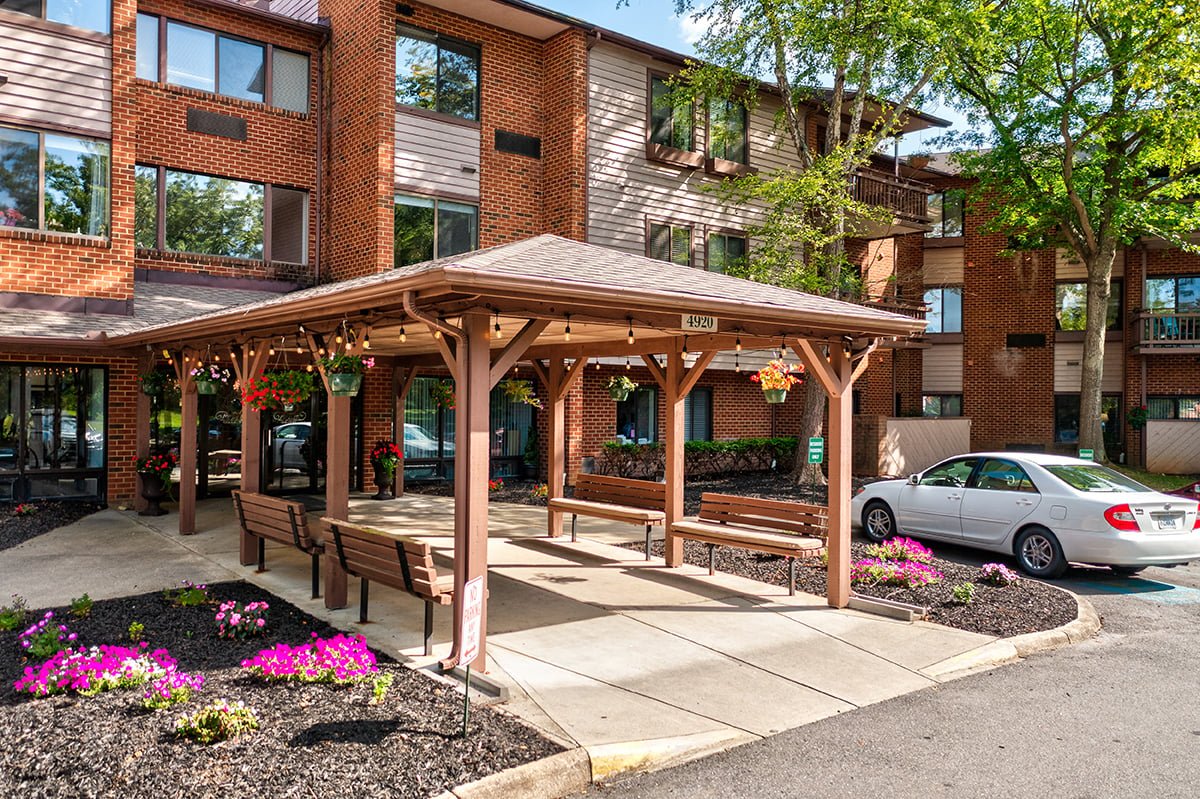
At The Park Oak Grove in Roanoke, VA, Assisted Living offers a community setting where residents can develop friendships while receiving personalized support with daily routines.
Team members contribute to this welcoming atmosphere through familiar conversations and everyday interactions that help residents feel recognized and included.
Social Engagement in Assisted Living Through Meaningful Programs
Social engagement in assisted living goes beyond simply spending time around others. Meaningful programs encourage residents to explore interests, share experiences, and develop relationships naturally.
Community calendars may feature a variety of opportunities, including:
- Creative programs: Painting, crafts, and music that encourage self-expression
- Group wellness programs: Gentle exercise and movement sessions that bring residents together
- Social gatherings: Games, celebrations, and group discussions that encourage conversation
- Community outings: Opportunities to explore local destinations and maintain connections beyond the community
These experiences provide different ways to participate, allowing residents to choose what interests them.
Building Friendships Through Shared Interests
A painting session might introduce two neighbors who enjoy art, while a group discussion could bring together residents with similar experiences.
At The Park Oak Grove, opportunities for social interaction can complement the community's Assisted Living services, helping residents balance personal preferences with everyday connection.
Removing Barriers to Social Connection
Combating senior isolation often means addressing practical challenges that make socializing difficult.
Transportation limitations, mobility concerns, and hearing difficulties can prevent older adults from attending gatherings or visiting friends. Even when someone wants more interaction, arranging these experiences may feel overwhelming.
Assisted living communities help reduce these barriers by bringing social opportunities closer to home. Residents can spend time with neighbors without coordinating transportation or making plans days in advance.
Shared spaces and smaller gatherings also offer opportunities for conversation in settings that may feel more comfortable.
For families exploring senior living in Roanoke, access to nearby neighbors and everyday social opportunities can be an important consideration.
Finding Connection Through Shared Experiences
Friendships often develop when people discover common interests, memories, or life experiences. Residents may bond over favorite hobbies, family traditions, or conversations about their lives.
These shared experiences help create community connections for seniors that extend beyond organized events.
Supporting Different Social Preferences
Not everyone enjoys a busy calendar. Some residents prefer large gatherings, while others feel more comfortable spending time with one or two friends.
A welcoming community recognizes these differences and encourages participation without pressure.
For someone adjusting to assisted living, smaller interactions can be a comfortable starting point. A conversation during lunch or an invitation to join a group event may gradually lead to lasting friendships.
Supporting Well-Being Through Everyday Connection
Regular social interaction can support emotional well-being, encourage participation in physical movement, and provide opportunities for mental stimulation.
Families may also notice their loved ones sharing more stories about neighbors, conversations, and daily experiences.
When evaluating the social life in assisted living, consider how a community supports different interests and encourages residents to participate at their own pace.
What to Look for During a Community Visit
Families can better understand a community's social environment by observing:
- Whether residents have opportunities to interact naturally
- How team members encourage participation and conversation
- Whether programs accommodate different interests and abilities
- How shared spaces support both group gatherings and quieter interactions
These observations can help families determine whether the environment feels comfortable and welcoming.
Discover Meaningful Connections at The Park Oak Grove
Social connection is an important part of everyday well-being. Through shared experiences, familiar neighbors, and opportunities for engagement, assisted living can help older adults feel more connected to those around them.
The Park Oak Grove offers Assisted Living in Roanoke, VA, where personalized daily support and community living come together. Schedule a personalized tour of The Park Oak Grove to explore the community and learn more about opportunities for connection.